Blog Details
Published: Apr 29, 2026
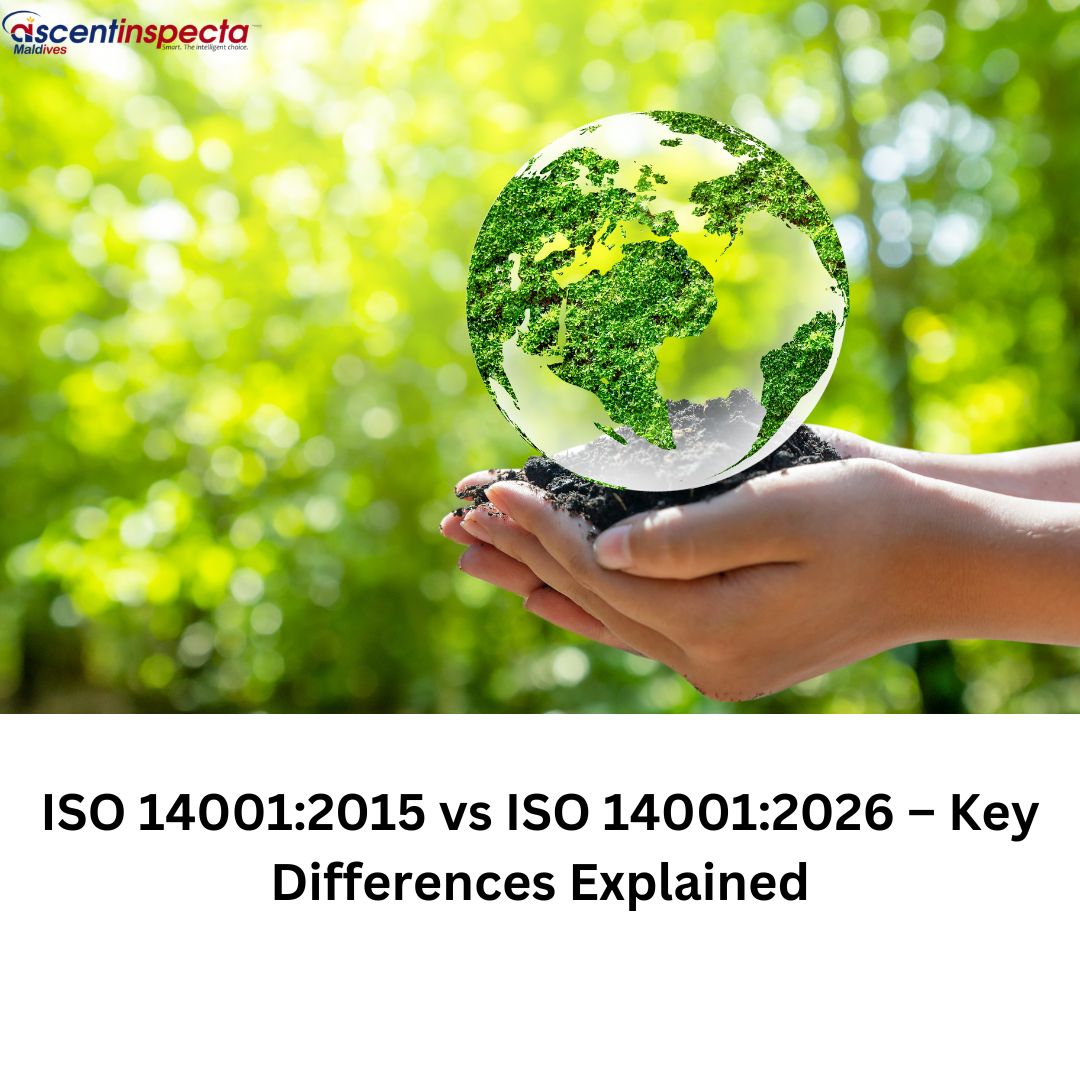
ISO 14001:2015 vs ISO 14001:2026 – Key Differences Explained
Environmental sustainability is no longer a choice—it’s a responsibility. The globally recognized Environmental Management System (EMS) standard, ISO 14001, is evolving to meet modern environmental challenges. While ISO 14001:2015 has been widely adopted, the upcoming ISO 14001:2026 revision introduces significant enhancements.
This guide explains the key differences and helps organizations prepare for the transition.
Overview of ISO 14001:2015
ISO 14001:2015 focuses on building a structured Environmental Management System to manage environmental responsibilities effectively. It emphasizes:
- Risk-based thinking
- Lifecycle perspective
- Leadership involvement
- Continuous improvement
- Compliance obligations
This version aligned environmental goals with business strategy and improved operational efficiency.
Why the Revision to ISO 14001:2026?
Rising global concerns such as climate change, carbon emissions, biodiversity loss, and sustainability reporting have driven the need for an update.
- Address emerging environmental risks
- Strengthen climate-related actions
- Align with ESG frameworks
- Improve clarity and usability
Key Differences Between ISO 14001:2015 and ISO 14001:2026
1. Stronger Focus on Climate Change
2015: Climate change addressed indirectly.
2026: Climate becomes central with measurable actions and strategies.
2. Enhanced Lifecycle Thinking
2015: General lifecycle consideration.
2026: Deep focus on supply chains, product design, and circular economy.
3. ESG & Sustainability Integration
2015: Limited ESG linkage.
2026: Strong ESG alignment with transparency and reporting.
4. Improved Risk Management
2015: Flexible risk-based approach.
2026: Structured and proactive risk identification.
5. Stronger Compliance Requirements
2015: Basic legal compliance.
2026: Enhanced monitoring and accountability.
6. Digitalization & Data Use
2015: No digital focus.
2026: Emphasis on analytics, automation, and real-time reporting.
7. Leadership & Culture
2015: Leadership involvement required.
2026: Strong accountability and sustainability culture.
8. Simplified Language
2015: Complex clauses.
2026: Clear, simplified, and easier to implement.
Benefits of Transitioning to ISO 14001:2026
- Improved environmental performance
- Better regulatory compliance
- Enhanced brand reputation
- Stronger stakeholder trust
- Global sustainability alignment
- Competitive advantage
How to Prepare for ISO 14001:2026
- Conduct gap analysis
- Update policies and objectives
- Improve data systems
- Train employees
- Integrate climate strategies
- Work with consultants
Why Choose Ascent Inspecta Maldives?
Ascent Inspecta Maldives provides expert certification and compliance services, ensuring a smooth ISO 14001 journey.
- Experienced professionals
- Gap analysis & risk assessment
- Implementation support
- Audit readiness
- Practical, tailored solutions
- Transparent delivery
They help organizations enhance sustainability performance while ensuring compliance with evolving standards.
Conclusion
The transition from ISO 14001:2015 to ISO 14001:2026 marks a major advancement in environmental management. With stronger climate focus, ESG alignment, and digital transformation, organizations must adapt proactively.
Early adopters will not only ensure compliance but also gain a competitive edge in a sustainability-driven world.
Comments Section
We’d love to hear your thoughts,Feel free to leave a comment below: